Crawl Space Pest Control in North York, ON
How come crawl spaces invite pests in North York homes
In North York, Ontario, crawl spaces are a common weak point in many homes because they provide warmth, darkness, shelter, and hidden access points. That makes them perfect harbourage for pests trying to nest, feed, or travel indoors. In particular, North York homes with older post-war construction, semi-detached layouts, and low-rise residential properties often have crawl spaces with aging seals, worn insulation, and small structural gaps that invite problems over time.
Crawl space moisture is one of the leading reasons pest pressure increases. Wet spring conditions in North York, along with humid summers, can leave crawl spaces damp for weeks at a time. That moisture supports insects and creates favourable conditions for rodents that need protected nesting areas. Even a small leak, poor drainage, or a cracked vent opening can turn a crawl space into an ongoing infestation zone.
Seasonal freeze-thaw cycles in the Greater Toronto Area can also widen foundation cracks and other structural gaps. Once those openings expand, pests can move through hidden entry points into living areas. Effective pest control North York services focus on both the pest activity itself and the underlying moisture or structural issues that allow it to persist.
Common crawl space infestations in North York
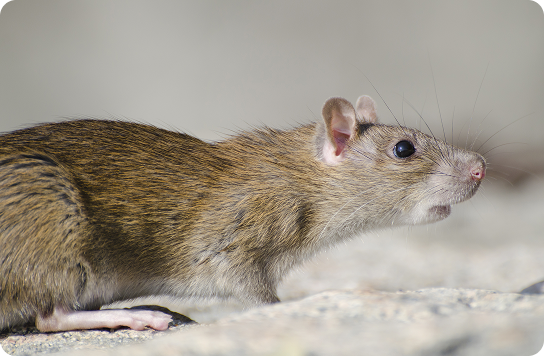
Many pests are especially common in crawl spaces across Willowdale, Downsview, York Mills, and Bathurst Manor. The most frequent are mice and rats, which are pulled toward quiet nesting spaces and can squeeze through very small openings. They often move along pipes, joists, and utility lines, using the crawl space as a travel route and staging area.
Spiders are another common sign of underlying insect activity, since they move after prey into damp, undisturbed areas. Silverfish do well in moisture-rich environments and can damage stored materials, cardboard, and paper products. Homeowners may also see ants passing through cracks near the sill plate or around plumbing penetrations, especially when outdoor conditions are wet or food sources are nearby.
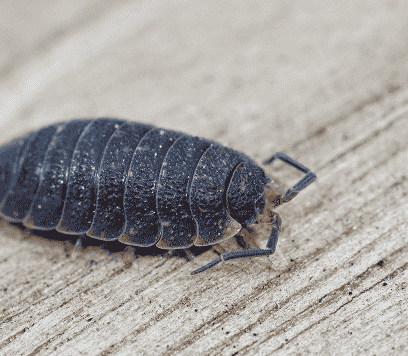
Further crawl space pests in North York include sowbugs and centipedes, both of which are closely tied to damp conditions. While these insects may not always cause major property damage on their own, they often indicate excess moisture and broader pest-friendly conditions. In a well-designed crawl space pest control plan, identifying the full pest mix matters because treatment and prevention should address the complete ecosystem, not just one species.
Indicators your crawl space has a pest problem
The initial clues of a crawl space issue are often hard to notice, but they are important to catch before the infestation spreads. One of the most clear indicators is the presence of droppings near vents, support walls, or access hatches. Rodent droppings are a clear warning that mice or rats are active and may be nesting nearby.
Another warning sign is gnaw marks on wood, insulation, wiring, or stored items. Rodents constantly chew to wear down their teeth, and those marks often point to hidden travel paths or nesting sites. You may also find nesting materials such as shredded paper, fabric, insulation, or plant debris gathered in corners, around pipes, or inside voids.
Homeowners often notice musty odours before they ever see the pest itself. That odor may come from dampness, urine, droppings, or decaying organic matter in the crawl space. If the smell becomes more noticeable during humid weather, or after snowmelt and rain, that suggests both moisture and possible pest contamination. In many North York properties, this combination signals a problem that will continue without inspection and remediation.
How crawl space pest control works
Expert crawl space pest removal starts with a careful inspection. A technician will inspect for pest species, nesting signs, moisture sources, and the conditions that contribute to recurrence. In North York, a thorough attic and crawl space inspection is often valuable because pests may move between the two areas through wall voids, utility penetrations, or unfinished service routes.
The next step is pinpointing entry points and the specific structural gaps that pests are using. These may include gaps around pipes, openings near vents, damaged masonry, warped access doors, or cracks in the foundation. Once those access points are verified, the technician may use baiting, traps, or other targeted methods as part of the active rodent control strategy.
Long-term success depends on exclusion, which is the process of sealing access points and blocking future entry. For rodents, that means rodent exclusion measures such as sealing gaps with durable materials, repairing damage, and reinforcing vulnerable areas. For insects, exclusion may include closing off vent gaps, fixing torn screens, and reducing moisture. The best https://toronto-oncl292.theburnward.com/mildew-pest-inspection-in-north-york-what-to-check-and-why-it-s-important results usually come from integrated pest management, which combines inspection, monitoring, remediation, sanitation, and preventive maintenance instead of relying on a single treatment.
Humidity management and crawl space prevention
Moisture control is necessary because many crawl space pests are attracted to damp, sheltered spaces. Installing or repairing a vapour barrier can help lower ground moisture and limit the humid conditions that support pests. A vapour barrier also helps protect the structure itself by minimizing condensation and long-term deterioration.
A properly sized dehumidifier can be useful in crawl spaces that stay damp through humid summers or after snowmelt. In North York, where wet spring conditions and summer humidity can both raise moisture levels, this is often a useful part of prevention. Lower humidity helps discourage insect activity, reduces mould risk, and makes the crawl space less attractive for nesting rodents.
Insulation also matters. Damaged or missing insulation can create cold spots, condensation, and hidden harborage areas. In homes with older foundations, poor insulation can worsen freeze-thaw stress and contribute to cracks or gaps that pests exploit. At the same time, foundation vents should be checked to ensure they are intact and protected. If vents are broken or poorly sealed, they can become access points for mice, rats, spiders, and insects.
Preventing pest problems in crawl spaces is not just about blocking animals out. It is about reducing moisture, protecting building materials, and keeping the space from becoming a long-term source of contamination, odor, and property damage.
Expect from a pest control North York provider
When you hire a local technician for pest control North York, you should expect a service that is tailored to local housing styles and seasonal conditions. A technician who knows North York, Ontario will know how older post-war homes, semi-detached houses, and low-rise residential properties often develop crawl space problems differently than newer builds.
It should start with a detailed assessment and a clear treatment plan. That plan may include rodent control, insect treatment, moisture-related recommendations, and exclusion work. The technician should explain the likely pest species, the severity of the infestation, the access points involved, and what preventive steps are needed to limit repeat activity.
A complete service also includes a follow-up inspection. Crawl space problems are rarely solved in one visit if there is active nesting or persistent moisture. Follow-up allows the technician to confirm that baiting or trapping is working, verify that exclusion measures are holding, and look for new signs of monitoring concern. Many homeowners also ask about a guarantee, which can provide added confidence when the service includes both treatment and prevention.
Experienced pest professionals use integrated pest management rather than over-treating the space. That means focusing on sanitation, sealing, monitoring, and long-term remediation rather than just applying products and leaving. For crawl spaces especially, this practical approach is usually more successful and safer.
Home protection tips for property owners
Homeowners can reduce pest presence by improving everyday conditions around the house. Start with food storage. Store pantry goods, pet food, and bird seed in closed containers, and prevent leaving attractants in basements, garages, or utility rooms that connect to crawl space access. Just food sources can increase rodent and insect activity.
Sanitation matters just as much. Remove clutter near access hatches, clean up spills quickly, and refrain from storing cardboard or fabric directly on the floor where moisture can accumulate. Good sanitation limits nesting opportunities and makes inspection easier if pests return.
Landscaping around the home should also be managed carefully. Leave shrubs, mulch, and dense plant growth away from the foundation so pests have fewer protected routes into the structure. Prune branches that contact siding or rooflines, and make sure water drains away from the home instead of pooling near the foundation.
Finally, pay attention to sealing gaps. Check around pipes, vents, utility lines, and the crawl space access door for openings. Small cracks can become major access points during seasonal freeze-thaw cycles, especially in the Greater Toronto Area. Use durable materials where appropriate, but remember that exclusion is most effective when it is paired with inspection and monitoring. DIY measures can help, but they work best as part of preventive maintenance, not as a substitute for professional remediation when a problem is already established.
When to reach out to a expert in North York
There are moments when a expert should take over right away. If you are dealing with a ongoing infestation, it usually means the underlying cause has not been resolved. Repeated mouse or pest activity often points to hidden entry points, ongoing moisture, or a nesting source that cannot be eliminated with basic DIY methods.
You should also call a specialist if you see building damage. Chewed insulation, damaged wiring, broken vents, or widening foundation cracks can create both safety and access problems. In crawl spaces, property damage can spread quickly because pests are hidden and the environment is difficult to inspect without proper tools.
Professional help is especially important when there are health concerns. Rodent droppings, urine contamination, and decaying nesting material can affect indoor air quality and create a health hazard, particularly if the crawl space connects to living areas. The odor and contamination may also affect comfort and resale value if ignored.
If you own or manage a shared building, professional intervention is often the right choice because pests can move between suites, shared walls, and common service spaces. In those buildings, source control, exclusion, and monitoring need to be coordinated carefully to prevent repeat spread.
Frequently Asked Questions about crawl space pest control in North York
How much does crawl space pest control cost in North York?
Pricing depends on the size of the crawl space, the type of infestation, the level of moisture, and whether exclusion or remediation is needed. A simple inspection and targeted treatment will usually cost less than a larger job that includes rodent exclusion, sealing foundation cracks, and moisture control. The best way to get an accurate estimate is through an on-site inspection from a pest control North York provider.
What pests are most common in crawl spaces in North York homes?
The most common crawl space pests include house mice, Norway rats, web spiders, bristletails, ants, pill bugs, and house centipedes. Rodents are especially common in older homes and semi-detached properties, while moisture-loving insects become more active in damp crawl spaces during wet spring weather and humid summers.
How long does a crawl space pest treatment take?
The process usually begins with an inspection and can often be completed the same day if the problem is straightforward. Cases that are more complex that require exclusion, baiting, monitoring, or moisture-related remediation may take multiple visits. How long it takes depends on how severe the infestation is and whether there are multiple entry points or structural gaps that need repair.
Is it safe for children and pets to have crawl space pest control?
If handled correctly, yes. A professional will choose the safest treatment approach for the situation and explain any precautions needed during service. When baiting or other products are applied, families should follow the technician’s instructions carefully. Integrated pest management helps limit unnecessary product use by focusing on inspection, exclusion, sanitation, and monitoring first.
What can I do to stop pests from coming back after treatment?
Keeping pests away again requires a combination of exclusion, moisture control, and routine maintenance. Store food securely, keep sanitation in good shape, improve landscaping near the foundation, and seal new gaps promptly. Installing a vapour barrier, using a dehumidifier, and protecting insulation and foundation vents can also reduce future pest pressure. Ongoing monitoring is important, especially in North York homes where seasonal moisture and freeze-thaw cycles can reopen access points over time.